
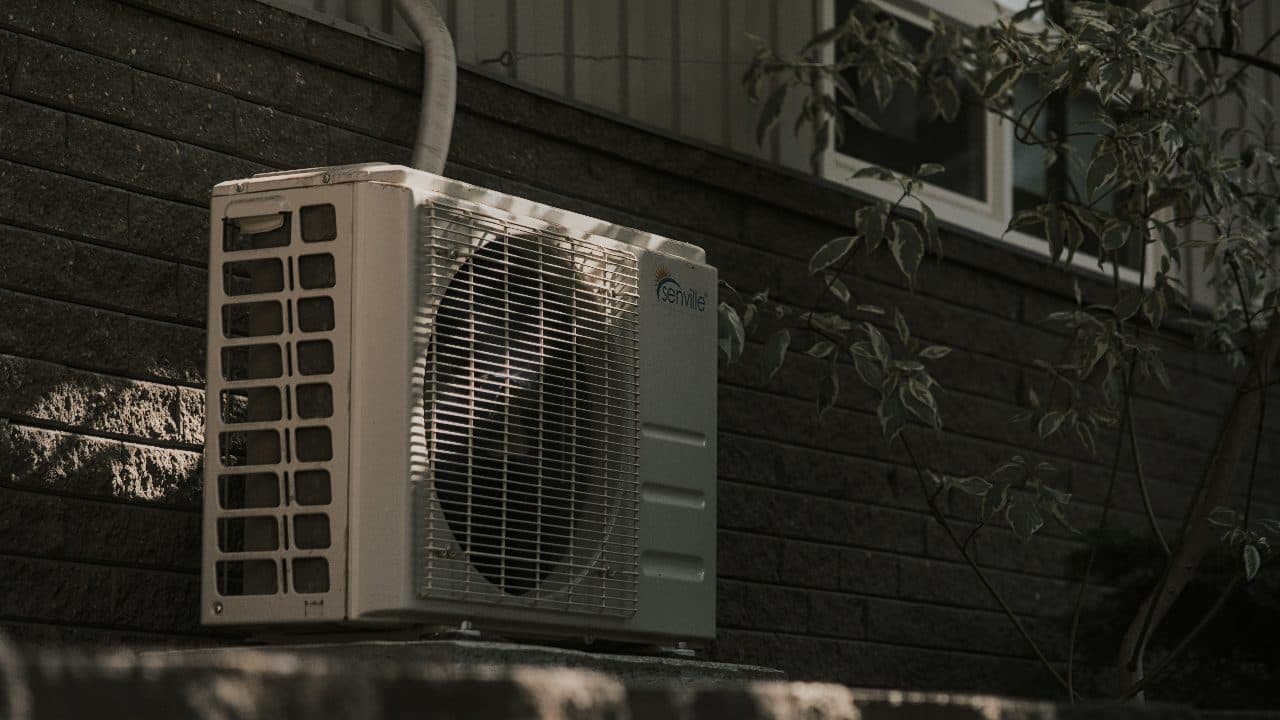
Heat Pump vs. Gas Furnace: Which Actually Costs Less in 2026?
Heat Pump vs Gas Furnace in the United States: 2026 Cost and Efficiency Comparison
- heat pump vs gas furnace
- heat pump cost US
- gas furnace cost
- heating costs 2026
- HVAC comparison
- energy efficiency
- COP heat pump
- AFUE furnace
- home heating systems
- heat pump savings
- gas vs electric heating
- US heating costs
- residential HVAC
- energy prices US
Heat Pump vs. Gas Furnace in the United States: Which Actually Costs Less in 2026?
23.06.2026
Introduction
In the United States, the choice between a heat pump and a gas furnace is no longer straightforward.
Both systems are widely used, both are mature technologies, and both can be cost-effective depending on location and building characteristics.
However, in 2026, the economic difference between them is increasingly driven by three variables: energy prices, climate zone, and system efficiency.
There is no universal winner — only regional outcomes.
How Heat Pumps and Gas Furnaces Work
Heat pumps
A heat pump does not generate heat. It transfers heat from the outside air into a building using electricity.
Its performance is measured by COP (Coefficient of Performance):
- Typical air-source heat pump: COP ~3.0
- Cold-climate heat pump: COP ~2.0–2.5 in winter conditions
- Ground-source systems: COP ~4.0+
Important note:
COP is not fixed — it varies significantly with outdoor temperature and system design.
Gas furnaces
A gas furnace generates heat by burning natural gas.
Modern condensing units typically achieve:
- 90%–98% efficiency under optimal conditions
This means:
- 1 unit of gas energy → ~0.9 to 0.98 units of usable heat
Unlike heat pumps, efficiency does not increase with conditions — it remains relatively stable.
Real Operating Costs in the US (2026)
To compare both systems consistently, we assume:
- Average home size: 130 m² (≈1,400 ft²)
- Annual heating demand: 12,000 kWh equivalent (~41 million BTU)
Energy conversion
- Gas furnace requirement: ~13,333 kWh gas equivalent
- Heat pump requirement (COP 3.0): ~4,000 kWh electricity
Annual cost comparison (USA average)
Gas furnace:
- ~$650–$750/year (depending on regional gas prices)
Heat pump:
- ~$550–$700/year (depending on electricity rates and COP conditions)
Key takeaway
On a national average, the difference is relatively small.
In many cases:
- Heat pumps are slightly cheaper
- In colder regions or high electricity price zones, gas can still win
What Actually Drives the Cost Difference
The economics of heating in the US are primarily determined by:
1. Electricity vs gas price ratio
This is the single most important factor.
- Low electricity + moderate gas → heat pump advantage
- High electricity + cheap gas → gas furnace advantage
2. Climate zone
Heat pump efficiency drops in colder climates because:
- outdoor air contains less usable thermal energy
- defrost cycles increase energy use
- COP decreases significantly below freezing
Cold regions (e.g. Minnesota, Wisconsin):
- heat pumps still work
- but cost advantage is reduced or neutral
Mild climates (e.g. California, Southeast US):
- heat pumps typically outperform gas
3. Equipment type
- Standard heat pump vs cold-climate heat pump
- Single-stage furnace vs modulating furnace
- Ducted vs ductless systems
System design can shift operating cost by 10–30%.
Regional Climate Impact
Northern US
- Lower winter efficiency for heat pumps
- Gas furnaces often remain cost-competitive
- Hybrid systems are increasingly common
Central US
- Mixed results depending on winter severity
- Slight edge to heat pumps in newer buildings
Southern US and West Coast
- Heat pumps typically win on both cost and efficiency
- Cooling demand strengthens their advantage further
Key Considerations Before Choosing
A correct comparison requires more than just system type.
Key variables include:
- insulation level and building age
- actual heating load (not square footage alone)
- local utility pricing structure
- availability of incentives or tax credits
- whether cooling is required (important advantage for heat pumps)
Oversimplified comparisons often lead to incorrect conclusions.
Conclusion
In the United States in 2026, neither heat pumps nor gas furnaces are universally cheaper.
The outcome depends primarily on:
- regional climate
- local energy prices
- system configuration
In warm and moderate climates, heat pumps increasingly hold a cost advantage.
In colder regions with low gas prices, gas furnaces remain competitive.
The most accurate conclusion is not that one system wins — but that the optimal choice is highly location-dependent.
Related reading
 Best Home Insulation Upgrades for Maximum Energy Savings (2026)
Discover the best home insulation upgrades in 2026 that cut heating and cooling costs, improve comfort, and deliver the fastest ROI across different US climate zones.
 Will Electric Cars Still Be Worth It in 2027? Cost Breakdown vs Gasoline
A full cost breakdown of electric cars vs gasoline in 2027. Compare charging costs, fuel prices, maintenance, depreciation, and total ownership costs to see if EVs are still worth it.
 EV Ownership in 2026: Maintenance, Costs, Charging & Real Economics (USA Guide)
A detailed 2026 guide to EV ownership in the USA covering maintenance, charging costs, electricity pricing, battery degradation, and real-world operating economics compared to gasoline vehicles.